Stainless Steel Fire Pit Care and Keeping It Looking Good Year-Round
A well-built fire pit can handle regular use, but proper smokeless fire pit stainless steel care makes a clear difference in how it looks and performs over time. Helios Fire shares practical guidance to help owners maintain their fire pits, especially in environments where moisture, salt air, and frequent use can affect the finish.
This guide focuses on what stainless steel can handle, how to manage surface changes, and how to protect your fire pit with the right cleaning and storage habits.
What Stainless Steel Does and Doesn’t Mean
Stainless steel is known for its resistance to rust and corrosion, but it is not completely immune to environmental effects. It contains chromium, which forms a protective layer that helps prevent oxidation.
However, this protective layer can be affected by exposure to certain elements. Salt air, moisture, and harsh cleaning chemicals can weaken that barrier over time. This is why regular smokeless fire pit stainless steel care is important, especially in coastal areas.
Understanding this helps set realistic expectations. Stainless steel is durable, but it still benefits from routine attention.
Normal Patina vs Surface Damage
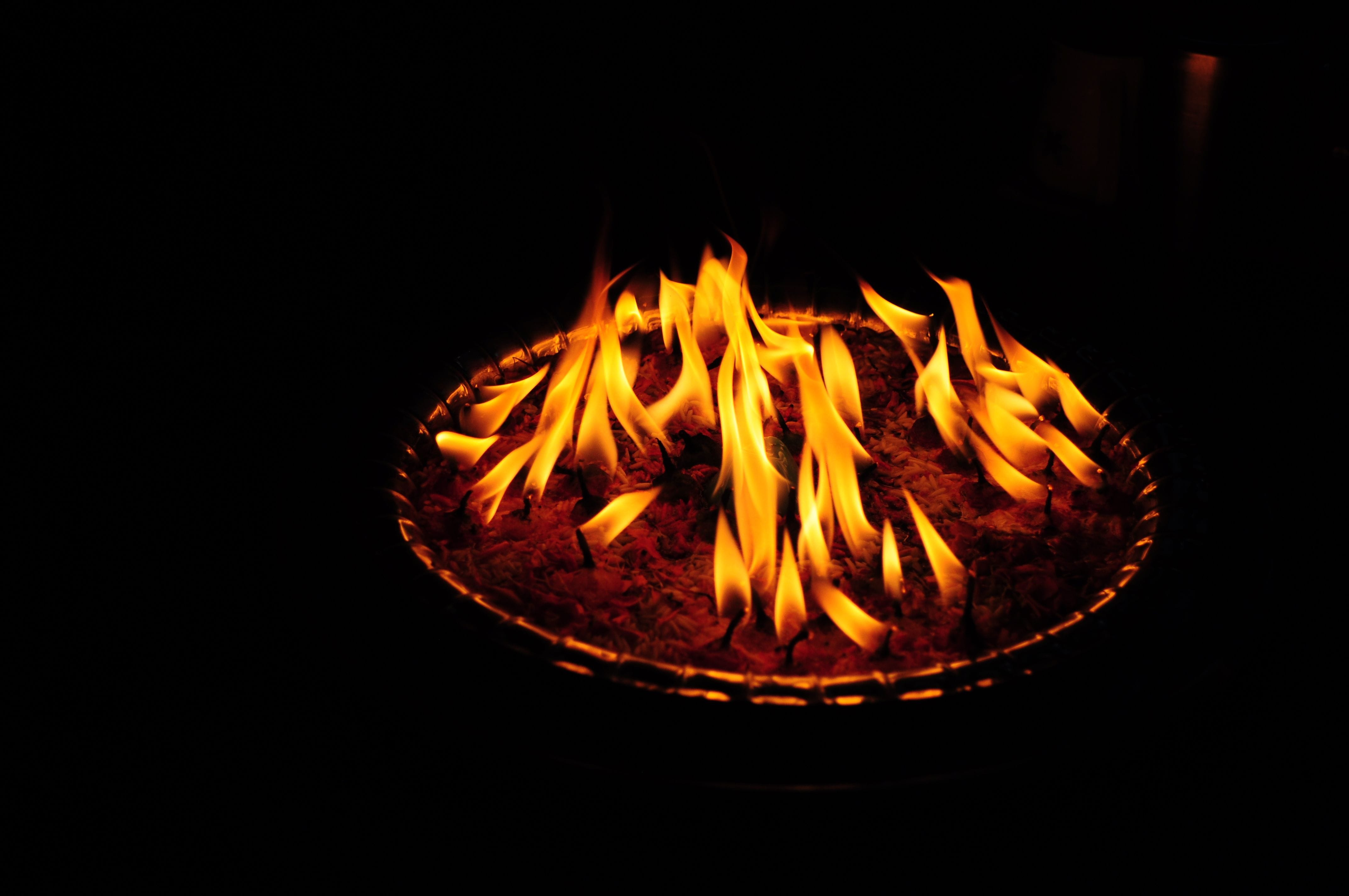
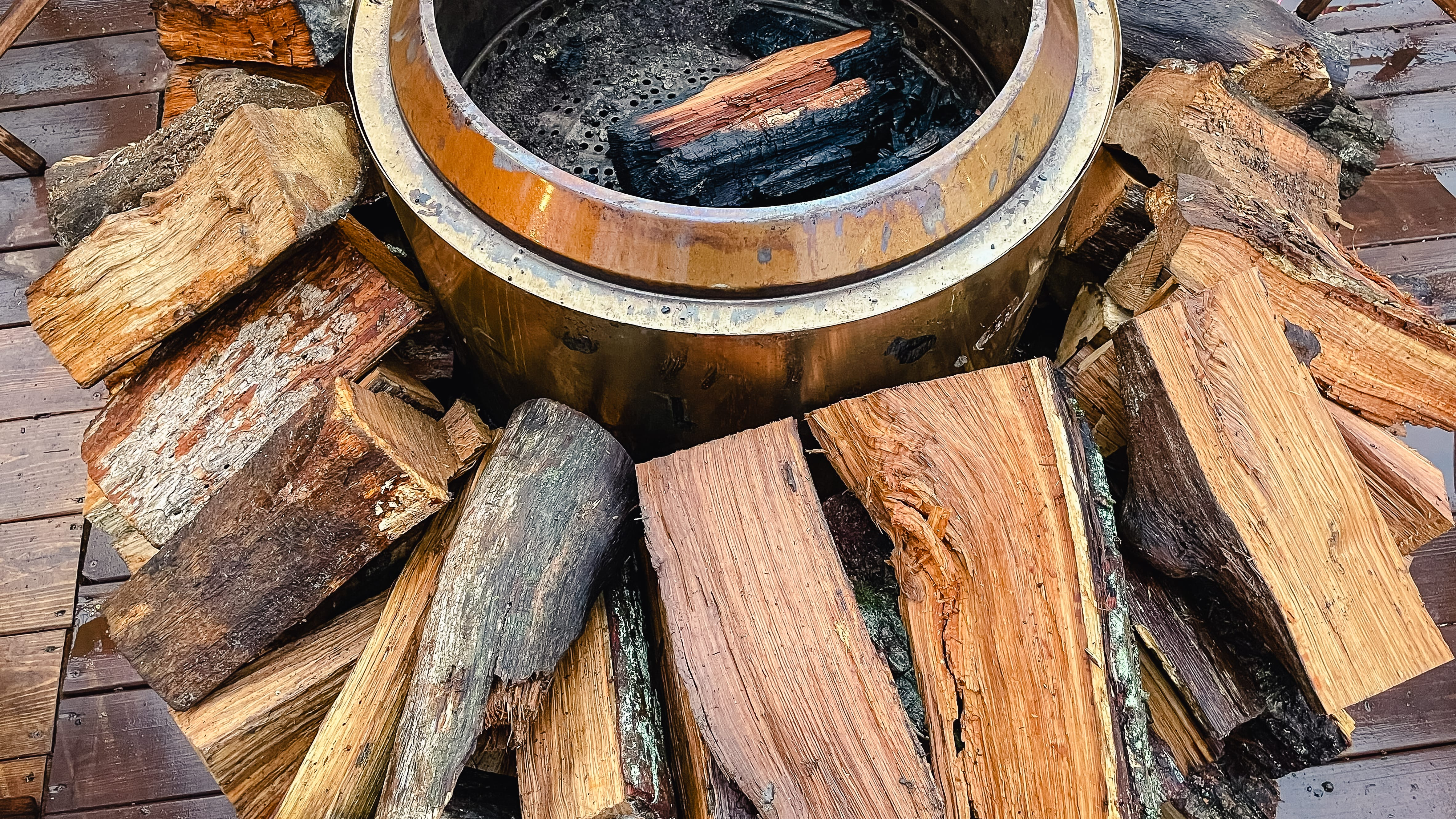
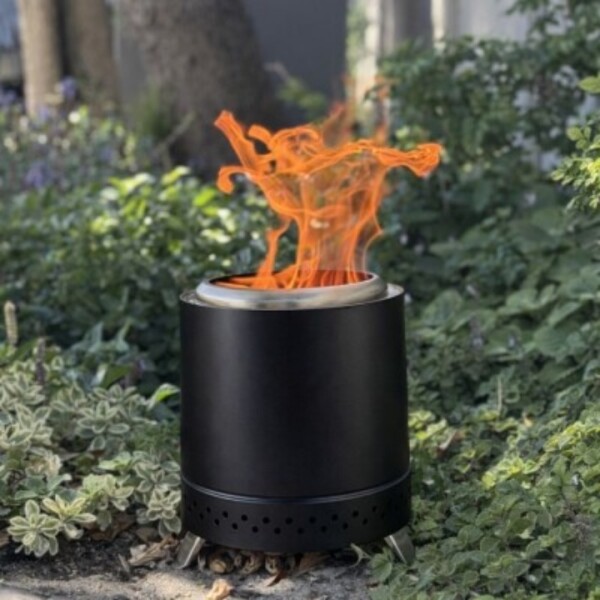
After repeated use, it is normal for a stainless steel fire pit to change in appearance. Heat exposure can create a golden, blue, or darker tint on the surface. This is known as a patina and is a natural result of high temperatures.
This colour change does not affect performance. In fact, it often indicates that the fire pit is reaching the temperatures needed for efficient burning.
Surface damage, on the other hand, looks different. Pitting, flaking, or rough spots may signal exposure to corrosive elements or improper cleaning methods. Recognising the difference helps avoid unnecessary concern while still identifying when maintenance is needed.
Cleaning Do’s and Don’ts for Stainless Steel Fire Pits
Cleaning plays a key role in smokeless fire pit stainless steel care, but using the wrong products can do more harm than good.
Gentle cleaning with warm water and a soft cloth is often enough for routine care. For more stubborn residue, mild soap can be used, followed by thorough drying.
Avoid cleaners that contain chlorides or bleach. These chemicals can damage the protective layer of stainless steel and increase the risk of corrosion. Abrasive scrubbers should also be avoided, as they can scratch the surface and make it more vulnerable over time.
Keeping cleaning simple and consistent helps preserve both appearance and durability.
Coastal vs Inland Care Routine
Location has a strong impact on how often maintenance is needed. Coastal environments expose stainless steel to salt in the air, which can settle on surfaces and accelerate corrosion if left unchecked.
In coastal areas, it is helpful to wipe down the fire pit more frequently, even when it has not been used. Removing salt residue reduces the risk of long-term damage.
In inland areas, maintenance can be less frequent, but dust and ash build-up should still be managed. Regardless of location, keeping the surface clean and dry supports better performance and longevity.
Adjusting your care routine based on your environment helps prevent issues before they start.
Storage and Cover Best Practices
Proper storage is one of the simplest ways to protect a stainless steel fire pit. When not in use, covering the unit helps prevent exposure to moisture, dust, and debris.
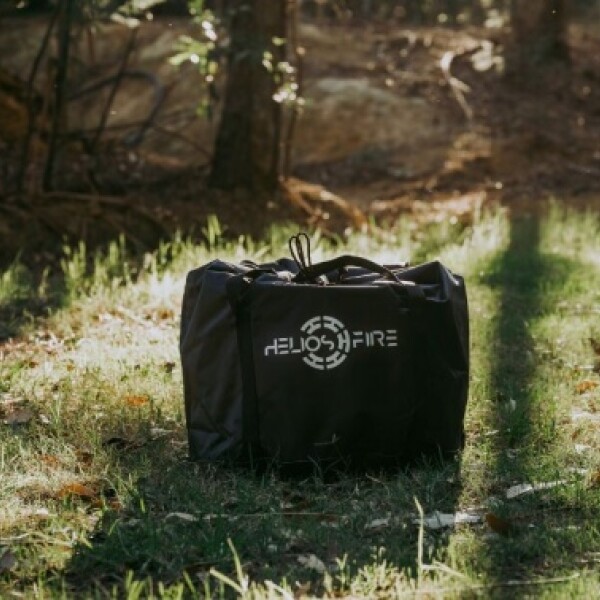
Using a fitted cover or carry bag keeps airflow ports and internal components clean. This is especially useful in areas with changing weather conditions.
If possible, store the fire pit in a sheltered space when not in use for extended periods. Even though stainless steel is built to handle outdoor conditions, limiting unnecessary exposure helps maintain its finish.
Accessories designed for storage and protection can make this process easier and more consistent.
When to Deep Clean a Stainless Steel Fire Pit
Routine cleaning handles most maintenance needs, but occasional deep cleaning may be required. This is usually necessary when residue builds up inside the burn chamber or when airflow begins to feel restricted.
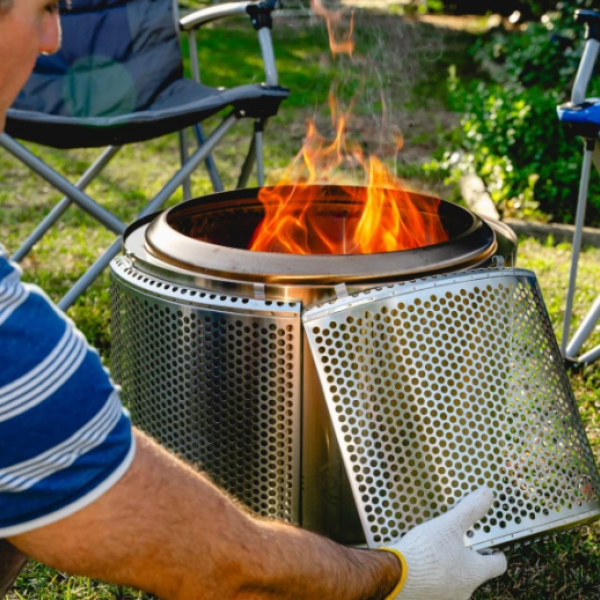
Deep cleaning should always be done once the fire pit is completely cool. Removing ash, wiping internal surfaces, and checking airflow ports can restore performance.
It is not necessary to deep clean after every use. Instead, it can be done periodically based on how often the fire pit is used. Signs such as reduced airflow or visible build-up can help indicate when it is time.
How to Prevent Rust on Stainless Steel Fire Pit Surfaces
To prevent rust on stainless steel fire pit surfaces, the focus should be on limiting exposure to moisture and corrosive elements. Keeping the fire pit dry, using a cover, and avoiding harsh chemicals are the most effective steps.
Regular wiping, especially in coastal areas, helps remove salt deposits that can lead to corrosion over time. Proper storage and careful cleaning all work together to maintain the protective qualities of stainless steel.
Frequently Asked Questions: Smokeless Fire Pit Stainless Steel Care
How often should smokeless fire pit stainless steel care be done?
Light maintenance should be done regularly, especially after use. Wiping down the surface and removing ash helps keep the fire pit in good condition. In coastal areas, more frequent cleaning may be needed due to salt exposure, while inland users may require less frequent attention.
Can stainless steel fire pits rust over time?
Yes, stainless steel can develop rust if exposed to certain conditions. Salt air, moisture, and harsh cleaning products can weaken its protective layer. With proper care and regular cleaning, the risk of rust can be reduced significantly.
What cleaning products should be avoided?
Products containing chlorides, bleach, or harsh chemicals should be avoided. These can damage the surface and increase the likelihood of corrosion. Abrasive tools should also be avoided, as they can scratch the metal and affect its durability.
Is discolouration a sign of damage?
Not always. Colour changes caused by heat are normal and expected with regular use. This patina does not affect performance. Damage is more likely to appear as pitting, rough spots, or corrosion, which may require attention.
Does coastal air affect stainless steel fire pits more?
Yes, coastal air contains salt that can settle on surfaces and increase the risk of corrosion. More frequent cleaning and proper storage are recommended in these environments to help maintain the fire pit’s condition over time.
Maintain Smokeless Fire Pit Stainless Steel Care with the Right Setup
Keeping up with smokeless fire pit stainless steel care helps ensure your fire pit continues to perform well and maintain its appearance. Helios Fire provides guidance on maintenance, along with accessories such as covers and storage solutions that support long-term use.
Exploring maintenance-friendly products and proper care routines can help you get more value from your fire pit while keeping it ready for every use.


.jpeg "How to Cook Outdoors with a Smokeless Fire Pit")
_(1).jpeg "Apollo vs Eros Which Smokeless Fire Pit Is Right for You")
.jpeg "The Best Fire Pit Accessories to Upgrade Your Outdoor Setup")