Advanced Airflow Technology: Why Your Clothes Smell Like Smoke (and How to Fix It)
Understanding the Science Behind a Clean Burn and a Healthier Fire
You know the moment. The fire’s been good, the conversation even better, and the night ends exactly as it should. Then you step inside, and it hits you—your jacket, your hair, even your hands carry that unmistakable smoky scent.
It’s almost become part of the deal. If there’s a fire, there’s smoke. If there’s smoke, it follows you home.
But it doesn’t have to be that way.
The reason your clothes smell like smoke has very little to do with the fire itself—and everything to do with how that fire burns. Once you understand what’s actually happening, the solution becomes surprisingly straightforward. This is where Helios Fire and its use of Advanced Airflow Technology come in, quietly changing the way fire behaves and, more importantly, how it affects you.
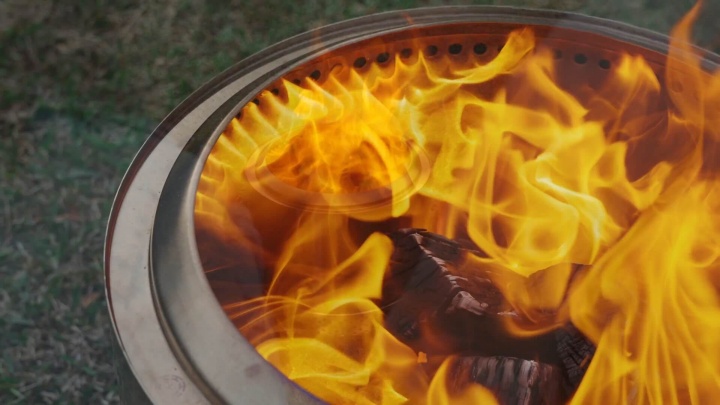
Why Smoke Clings to Your Clothes in the First Place
It’s Not the Fire—It’s the Incomplete Burn
At its core, smoke is simply unburned fuel. When wood doesn’t burn completely, it releases a mix of gases, particles, and compounds into the air. These particles are incredibly small, and they don’t just drift away—they settle.
Fabric, hair, and skin are particularly good at holding onto these particles. That’s why the smell lingers long after the fire has gone out. It’s not just a surface-level scent. It’s microscopic residue embedding itself into whatever it touches.
A traditional fire pit often struggles with this. The airflow is inconsistent, the temperature fluctuates, and the combustion process never quite reaches full efficiency. The result is a constant stream of smoke that hangs in the air—and eventually finds its way onto you.
The Role of Airflow in Smoke Production
Fire needs three things to burn properly: fuel, heat, and oxygen. Remove or disrupt one of those, and the burn becomes inefficient.
Most open fires don’t manage airflow particularly well. Oxygen reaches the flames unevenly, and as a result, some of the fuel never fully ignites. Instead, it smoulders, releasing smoke rather than clean heat.
This is where things start to change with a more considered design. When airflow is controlled and directed, the fire burns hotter and more completely. Less fuel is wasted, and far fewer particles are released into the air.
That shift is what defines a Clean Burn.
What Advanced Airflow Technology Actually Does
A Second Chance for Smoke to Burn
One of the key principles behind modern fire pit design is something called secondary combustion. It sounds technical, but the idea is simple.
Instead of allowing smoke to escape immediately, the system reintroduces it back into the fire. As the air heats up and circulates, it ignites the leftover gases and particles that would normally drift away as smoke.
In effect, the fire burns its own smoke.
This second burn significantly reduces what you see—and what you smell. It also creates a more stable flame, one that feels consistent rather than unpredictable.
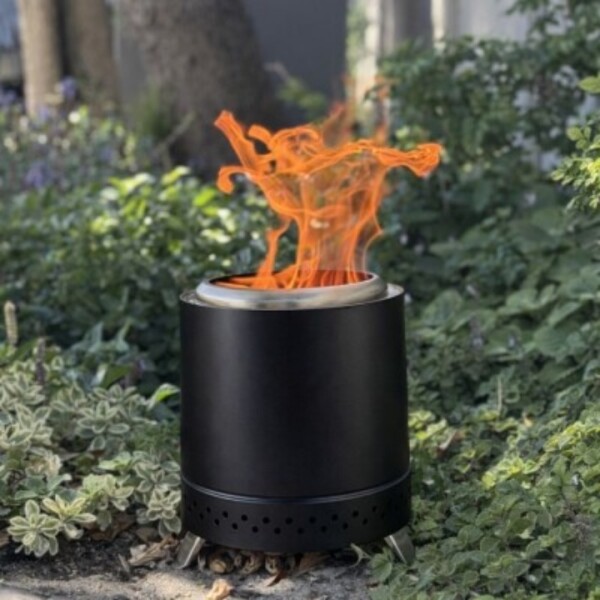
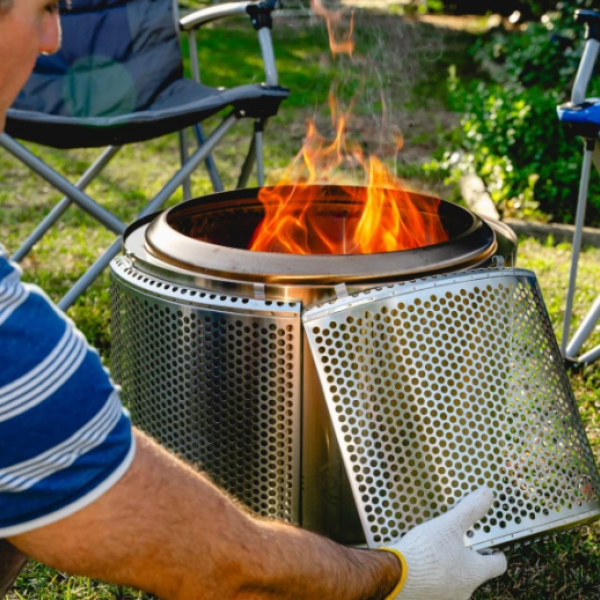
Helios Fire incorporates this approach into its design, using airflow channels that feed oxygen back into the upper part of the burn chamber. The result is a fire that feels cleaner, both visually and physically, without losing the character of a real flame.
Why Temperature Matters More Than You Think
A hotter fire is not just about more heat—it’s about better combustion. When temperatures rise to the right level, fuel breaks down more completely. There’s less waste, fewer particles, and a noticeable reduction in smoke.
This is why the way you start your fire matters. Allowing it to build properly before adding larger logs helps create the conditions needed for efficient burning. Once that threshold is reached, the fire begins to sustain itself more effectively.
The difference is subtle at first, but over time, it becomes obvious. The air feels clearer. The smell fades faster. And the fire itself requires less attention.
The Health Side of a Healthier Fire
What You’re Actually Breathing In
Smoke is more than just an inconvenience. It contains fine particulate matter—tiny particles that can enter your lungs when inhaled. These particles are often referred to as PM2.5, meaning they are small enough to bypass your body’s natural defences.
In small amounts, occasional exposure may not feel significant. But over time, repeated exposure to smoke can affect respiratory health, especially in enclosed or poorly ventilated spaces.
Even outdoors, standing close to a smoky fire means you’re breathing in more than just warm air.
Reducing Exposure Without Losing the Experience
A Healthier Fire doesn’t mean removing the fire altogether. It means reducing the elements that make it less enjoyable—and potentially harmful.
By improving combustion and reducing the amount of smoke produced, Advanced Airflow Technology helps limit the number of airborne particles released during a burn. The air around the fire becomes noticeably clearer, making it easier to relax without constantly shifting position.
You’re still sitting around a real fire. You’re still feeling the warmth. But you’re not surrounded by a cloud of smoke that follows you wherever you go.
Why Your Clothes Stop Smelling (or At Least, Smell Less)
Fewer Particles, Less Lingering Scent
When a fire produces less smoke, there are simply fewer particles available to cling to your clothing. The difference isn’t theoretical—it’s immediate.
Instead of carrying that heavy, lingering scent indoors, you might notice only a faint trace, if anything at all. Jackets don’t need to be aired out overnight. Hair doesn’t carry the smell into the next day.
It’s a small shift, but one that changes how often you’re willing to sit around a fire in the first place.
A More Comfortable Space to Sit In
Smoke doesn’t just affect smell—it affects comfort. When the air is clear, you’re not constantly reacting to the fire. You’re not turning your head, moving your chair, or adjusting your position every few minutes.
The space becomes stable. Predictable. Easy to enjoy.
That’s where the real value of a Clean Burn shows itself. It’s not just about what’s missing—it’s about what’s left behind: a fire that feels like it belongs there.
Getting the Most Out of Your Fire
Start It Right, Let It Settle
Even with advanced design, how you build your fire still matters. Starting with dry kindling and allowing the flame to establish itself creates the conditions needed for efficient combustion.
Give it a few minutes to build heat before adding larger logs. This allows the system to reach the temperature needed for secondary combustion to take effect.
Once it’s there, the fire becomes far easier to maintain.
Use the Right Fuel
Not all wood burns the same. Dried hardwoods tend to produce less smoke and burn more consistently than damp or soft woods. The quality of your fuel directly affects how clean your fire will be.
It’s a simple choice that makes a noticeable difference.
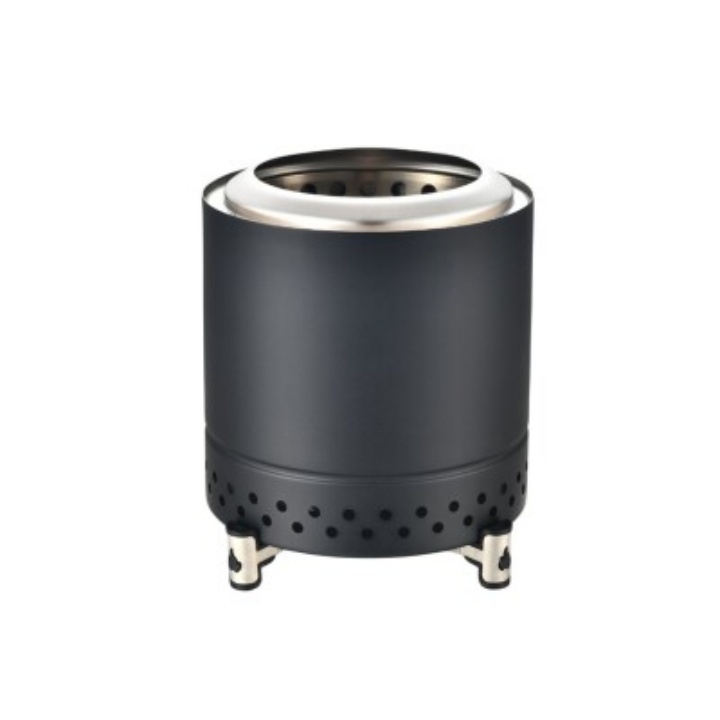
A Better Way to Experience Fire
Keeping the Atmosphere, Losing the Drawbacks
Fire has always been about more than heat. It’s about atmosphere, connection, and the way it brings people together. What often gets in the way is not the fire itself, but how it behaves.
With Advanced Airflow Technology, that behaviour changes. The fire becomes something you can rely on, rather than something you have to manage.
Helios Fire leans into this idea, focusing on how a fire should feel, not just how it looks. The result is an experience that feels natural, without the usual compromises.
Fire Without the Aftermath
Once you understand why your clothes smell like smoke, it’s hard to ignore. It’s not just part of the experience—it’s a sign that the fire isn’t burning as cleanly as it could.
Fixing it doesn’t mean giving up the fire. It means improving how it works.
Less smoke. Fewer particles. A cleaner burn.
And when you step inside at the end of the night, the only thing you take with you is the memory of it.
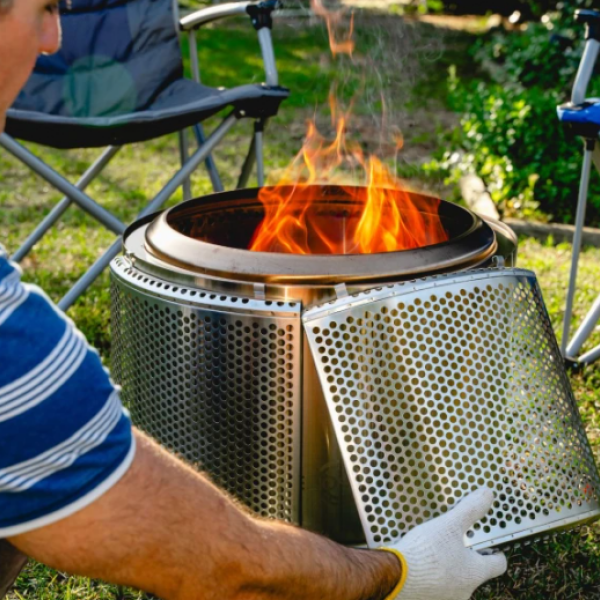
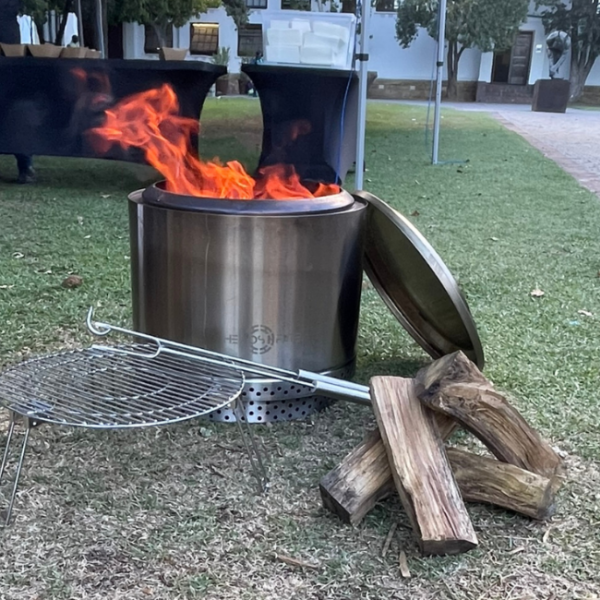
.jpeg "How to Cook Outdoors with a Smokeless Fire Pit")
_(1).jpeg "Apollo vs Eros Which Smokeless Fire Pit Is Right for You")
.jpeg "The Best Fire Pit Accessories to Upgrade Your Outdoor Setup")